
Stepping out on your own as an independent jeweller is one of the most exciting moves you can make in your trade. Whether you are leaving employment at a commercial workshop, finishing your design studies, or scaling a passionate bench hobby into a registered brand, building your own studio gives you complete creative and financial independence.
However, setting up a working workshop in South Africa involves more than buying a bench and a set of pliers. Between selecting essential tools, estimating realistic startup costs, and navigating local compliance with the South African Diamond and Precious Metals Regulator (SADPMR), the journey requires a practical roadmap.
Here is your step-by-step guide to starting an independent jewellery business in South Africa, from your initial workspace setup to full legal permit compliance.
Choose and Secure the Right Workspace
Before buying tools or raw alloy, you need a safe, functional space. Because precious metal manufacturing involves open flames, chemicals, and valuable inventory, your workspace must meet specific operational and security standards from day one.
-
Ventilation: Soldering, melting, and pickle baths release fumes. Ensure your studio space has direct window access, extraction fans, or dedicated ventilation.
-
Lighting: High-precision bench work, stone setting, and quality control require excellent light. Combine ambient overhead lighting with a focused, adjustable bench lamp.
-
Security & Access Control: To qualify for a Precious Metals Jeweller’s (PMJ) Permit, the regulator requires secure premises. Plan for a sturdy safe for precious metals, reinforced door locks, and basic alarm integration.
-
Flooring: Avoid carpets! Smooth, non-flammable floors (like sealed concrete or tiled) make sweeping up metal filings (lemel) safer and far more efficient.
Essential Bench Tools: What You Need First
It is easy to get carried away by high-end commercial machinery, but you do not need a factory setup to start producing exceptional pieces. Start lean with the core bench essentials and upgrade as your cash flow grows.
The Starter Bench Toolkit:
-
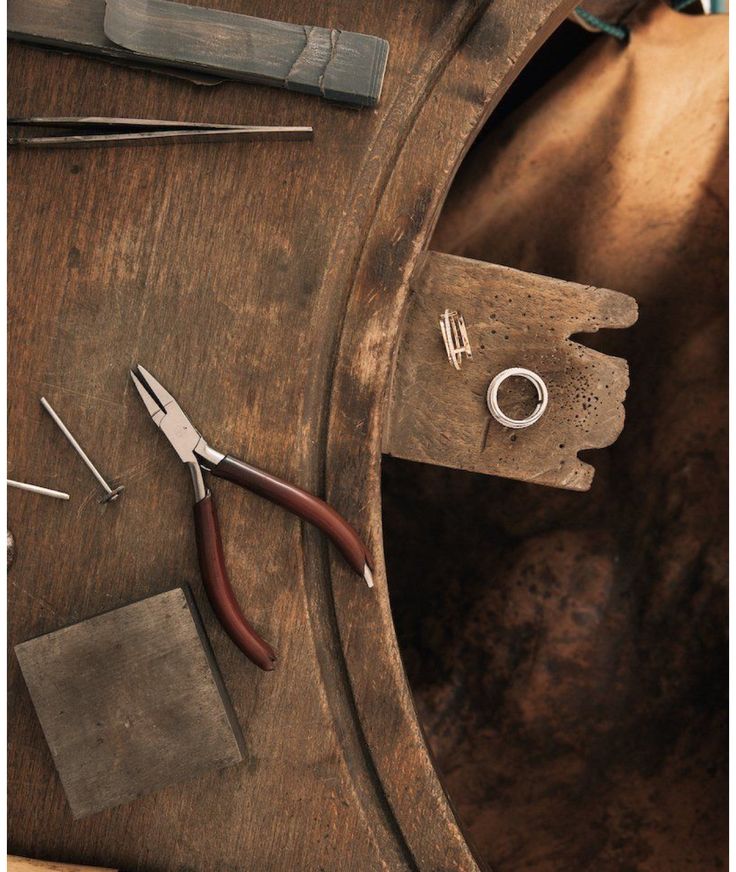
Jeweller’s Bench: A heavy, stable bench with a wooden bench peg (pin) and a skin or catch tray beneath to gather precious metal filings and scrap.
-
Hand Tools: Piercing saw frame with blades, basic plier set (flat-nose, round-nose, chain-nose), parallel pliers, and a range of needle and hand files.
-
Measuring & Layout: Vernier caliper, steel ruler, divider, ring mandrel, finger gauge, and a brass gauge.
-
Soldering Setup: Micro-torch or bench torch, soldering board/charcoal block, tweezers, flux, and pickling solution in a ceramic pot.
-
Finishing Equipment: Rotary handpiece (pendant motor / flex shaft) with burrs, polishing mops, and finishing compounds.
Estimating Your Startup Costs & Pricing
When planning your startup budget, break your expenses into three clear categories:
-
Equipment & Setup: Bench, basic hand tools, torch, flex shaft, and workshop safety gear.
-
Raw Materials: Initial stock of silver or gold casting grain, sheet, wire, solder, and gemstones.
-
Licensing & Compliance: Technical certification training, company registration, and official permit application fees.
Pro Tip on Metal Loss: Always factor in lemel/metal loss (the percentage of precious metal lost during filing, sanding, and polishing) into your production costing models. Failing to account for metal loss is one of the most common reasons new bench jewellers lose money on custom jobs.
SADPMR Compliance: Getting Legally Permitted
In South Africa, working with precious metals is strictly regulated under the Precious Metals Act. If you plan to melt, manufacture, alter, or trade in gold, or platinum, operating legally requires a Precious Metals Jeweller’s (PMJ) Permit issued by the SADPMR.
Operating without a valid permit exposes your business to severe legal risks and prevents you from legally purchasing raw metal from accredited refiners and suppliers.
To obtain your PMJ Permit, you must satisfy key regulatory criteria:
-
Technical Ability Certificate: Official proof of trade competency or recognized practical training in working with precious metals.
-
Compliant 5-Year Business Plan: A structured operational, financial, and socio-economic transformation plan built to SADPMR guidelines.
-
Police Clearance Certificate: An official police clearance check (not older than 5 months).
-
Supporting Compliance Papers: Tax clearance, company registration documents, proof of business premises (lease agreement), and NEMA environmental compliance letters.
The Simplified Pathway to Launching Your Studio
You don’t have to let regulatory paperwork or training gaps delay your workshop launch. Depending on where you currently stand in your career, here is the fastest way forward:
-
If you need to get qualified: Start by completing a practical, recognised course to earn your Technical Ability Certificate—the essential prerequisite required by law before applying for a permit.
-
If you are already qualified: Skip the training and go straight to compiling your full application package (business plan, police clearance, NEMA letters, and SADPMR submission files) so you can get manufacturing fast.
Build Your Craft — We’ll Help You Scale
Starting your independent studio is a huge milestone. By setting up your bench correctly and securing your regulatory permits early, you build a legal, solid foundation that lets you focus on what matters most: creating exceptional jewellery.
Ready to Launch Your Independent Studio?
Whether you need practical training to earn your Technical Ability Certificate or turnkey assistance with your Precious Metals Jeweller’s (PMJ) Permit application, we are here to handle the process.
Reach out directly via WhatsApp to speak with our team.
